HMDD Apparel Review 2026 Quality and Value
HMDD Measured Against Competing Streetwear Brands: In What Way Does It Hold Its Own?
The streetwear scene in 2026 is overrun, loud, and saturated with brands chasing one shared hype treadmill. HMDD — short for Happy Memories Don’t Die — has built a separate lane by embracing sentiment, emotional storytelling, and a subtler kind of self-assurance rather than provocation-driven graphics. Its very name points to the label’s central philosophy: recollections wear thin, but what they made you feel shouldn’t fade too. That philosophy shows up in the construction, the palette decisions, and the way HMDD clothing is positioned as wearable memory rather than simple merch. And that’s precisely why this breakdown explains where HMDD sits alongside rival brands, what an honest HMDD review actually looks like, and why buyers searching for the best HMDD clothing keep coming back to go-to items like sweatpants and shorts.
The streetwear industry has broken apart into a few camps: legacy skate-driven brands, branding-forward hype names, and leaner independent names that prioritize community and storytelling over volume. HMDD sits more aligned with the third camp. It isn’t after partnerships with high-end fashion names or saturating drops every week. In contrast, HMDDLA — the label’s foundation and artistic anchor rooted in Los Angeles — releases in tighter, more intentional batches. That scarcity isn’t manufactured hype; it’s the result of a brand still building slowly rather than manufacturing at scale to satisfy demand.
Brand Ethos: Sentiment vs. Noise
Most streetwear brands battle it out through visual noise — loud branding, collab stamps, or temporary hooks built to go viral for a few weeks. HMDD leans, instead, on emotional resonance. The phrase “happy memories don’t die” isn’t just a tagline; it shows up printed, embroidered, and echoed across the lineup as a repeated motif. This gives the brand a cohesive identity that’s easier to recognize than labels that redesign their whole look every season.
That steadiness counts for more than most assume. A buyer who buys HMDD sweatpants in 2025 and returns for shorts in 2026 will recognize an identical visual happy memories don’t die vocabulary — toned-down palettes, soft graphic placement, and a focus on comfort-first shapes. Compare that to labels that pivot from streetwear to techwear to Y2K revival within twelve months, and HMDD’s stability turns into a true point of difference. In streetwear, loyalty tends to grow out of predictability like this, not novelty.
A community dimension exists too. The brand’s marketing is built around storytelling — customer photos, individual captions, and a sense that the pieces stand for a memory rather than a show of status. Larger labels with thousands of SKUs struggle to maintain that intimacy. Leaner brands such as HMDD are still able to engage their audience directly, which shows up in the speed at which review feedback shapes upcoming drops.
Product Comparison: Where HMDD Actually Competes
When customers inquire how HMDD clothing stacks up, they’re generally sizing up three things: fit, how heavy the fabric is, and the value-for-money balance. HMDD sweatpants and HMDD shorts are the two categories most frequently searched, which suggests the brand’s bottoms are resonating more than outerwear or accessories right now. This fits with broader 2026 streetwear trends, where easy-fit bottoms are beating out built-up jackets throughout the segment.
Presented here is a high-level comparison of how HMDD positions itself against two common streetwear archetypes: the high-volume hype brand and the boutique independent label. It’s not a price war pitting one brand against another — it’s a structural comparison of how each type typically operates in the current market.
| The Aspect You’re Evaluating | HMDD | A High-Turnover Hype-Driven Brand | The Under-the-Radar Boutique Name |
|---|---|---|---|
| Release Rhythm | Limited, carefully-timed releases | Dropping every one to two weeks | Sparse and seasonally-timed |
| Label Character | Memory-tinged storytelling built on nostalgia | Logo-centric, trend-following | All over the place, rarely uniform |
| The Types of Product Central to the Line | Sweatpants, short bottoms, graphic tops | Pullovers, outerwear, add-ons | Depends on the founder’s vision |
| How the Label Engages With Followers | Hands-on, personal, review-reactive | Broad, detached | Intimate but narrow scope |
| Where Pricing Sits In the Market | Sitting squarely in mid-tier streetwear territory | Spanning a broad range, tilting upscale much of the time | Shifting from moderate and upscale, rarely fixed |
This table isn’t meant to declare a single winner because the streetwear space isn’t a uniform, one-mold category. It’s meant to show that HMDD’s strategy of controlled scarcity and emotional branding puts it in a distinct competitive standing relative to labels that lean entirely on scale or entirely on niche appeal. HMDD takes its discipline from the boutique model while sidestepping the unevenness that tends to plague smaller labels.
Fit, Fabric, and Everyday Comfort
Joggers and shorts live or die on fit. Go too tight and they tip into athleisure, or too sleepwear once they get baggy. HMDD’s take on these two categories is built around a loose-yet-tapered shape that suits daily wear rather than strictly workout purposes. This distinction matters, given that plenty of streetwear sweatpants are shaped so they’re too loose for layering or too tight for all-day comfort.
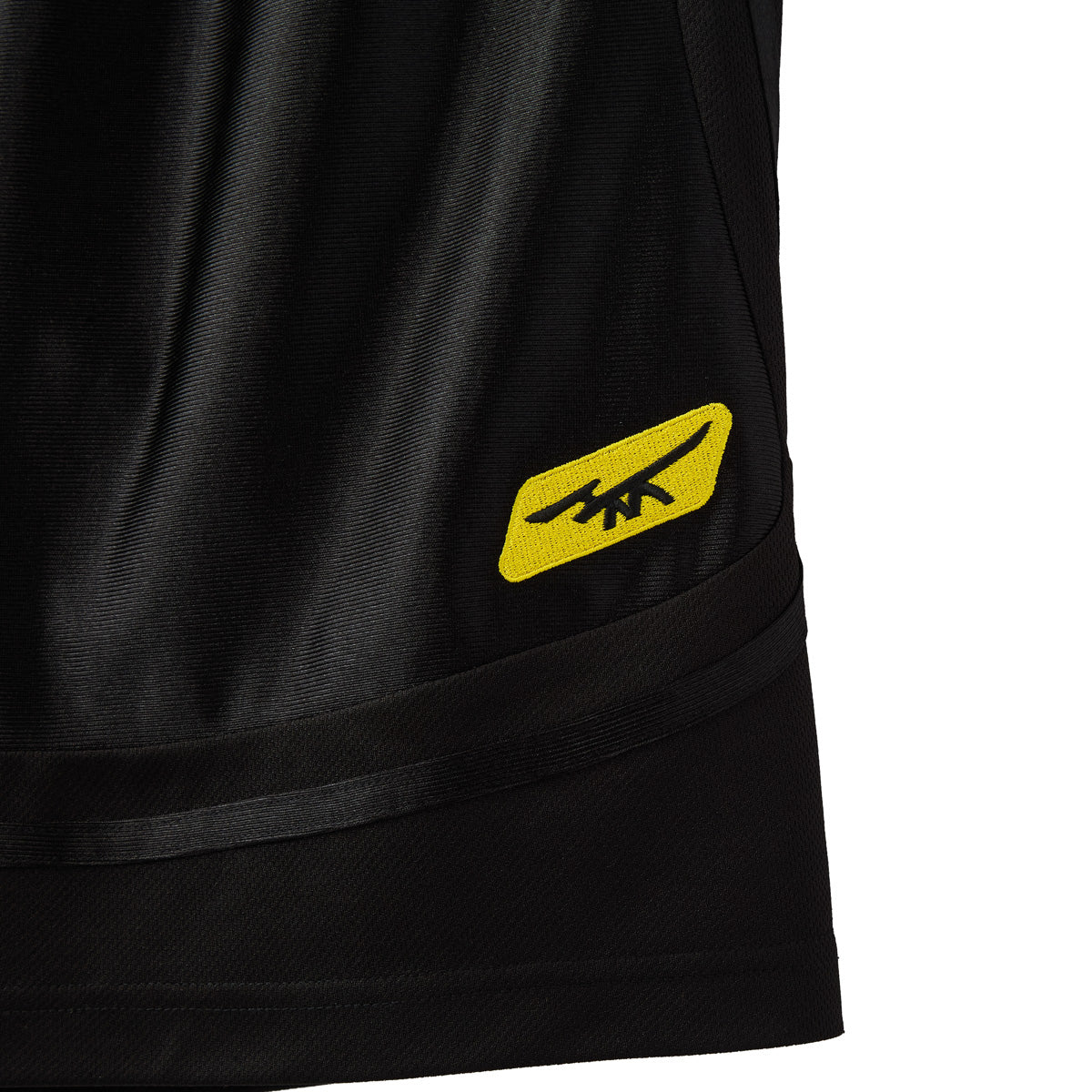
Shorts are built on a matching philosophy – silhouettes spanning mid-thigh to knee that team up smoothly with graphic-print t-shirts or roomy layering pieces. This counts in a 2026 market where consumers are moving toward pieces that transition between casual outings and lounging, rather than owning separate wardrobes for each. Multiple reviewers observe that HMDD shorts keep their form wash after wash, which reflects build quality and material weight beyond mere silhouette.
The brand’s restraint is what distinguishes it from mass-market competitors. Many hype brands weigh down sweatpants with multiple logo placements, side stripes, or exaggerated branding. HMDD tends to keep graphics minimal — a quiet gesture toward “happy memories don’t die” instead of a loud chest print. Buyers who want identifiable streetwear without turning into a walking advertisement are attracted by that understatement.
What Customers Actually Say
As organic buzz, more than paid marketing, does the heavy lifting, search interest surrounding “HMDD review” keeps expanding as more shoppers discover the brand. The consistent threads in customer feedback are fairly consistent: comfort scores high, sizing runs true to relaxed-fit expectations, and the sentimental identity either resonates deeply or misses entirely — there’s not much middle ground. Such a divide is actually a encouraging indicator in streetwear, where forgettable, inoffensive design rarely builds a loyal following.
Typical pain points to keep in mind include limited restock availability and tighter size batches relative to larger-scale competitors. Given that HMDD avoids producing at the scale of larger streetwear labels, popular sizes in sweatpants and shorts can sell out faster, which customers need to keep in mind before expecting instant stock. It’s a compromise rather than a real shortcoming — restricted availability is part of what allows the HMDDLA identity coming across as curated instead of corporate.
On balance, the general feeling around HMDD clothing tilts positive, particularly among buyers who place more weight on comfort and emotional resonance over aggressive logo placement. That’s a narrower audience than a brand aiming for widespread appeal, but it’s a more devoted group — the kind of buyer group that comes back for each new release instead of jumping ship to whatever’s popular next month.
HMDD’s Place in a 2026 Wardrobe
Fashion-forward shoppers putting together a 2026 rotation are with growing frequency mixing brands rather than going all-in on a single brand. HMDD slots in effortlessly into that mix as the “comfort and meaning” piece — the sweatpants you grab on a lazy Sunday, or the shorts that go alongside a more dominant jacket from a completely different brand. It’s not built to act as an all-purpose brand, and that’s arguably its strength.
For customers weighing bottoms, HMDD sweatpants and HMDD shorts remain the most obvious starting point into the brand. They showcase the sizing philosophy, the restrained branding, and the fabric quality that customers cite most often. Shoppers looking into the best HMDD clothing as a starting point should consider these two categories as the foundational choice before exploring tops or special drops.
At the end of the day, comparing HMDD to competing labels isn’t about declaring a definitive winner. It’s about acknowledging that HMDD holds a specific niche — nostalgic, restrained, community-driven — that larger, louder brands can’t easily copy. For buyers who want streetwear that reads as individual rather than factory-made, that niche is exactly the point.
